
What is Periodontology?
Periodontology is a branch of dentistry specialized in the diagnosis and treatment of diseases that affect the gums and the dental support structure. This specialty not only deals with periodontal disease but also extends to dental implantology and minor surgical procedures related to periodontal tissues.
Signs of Periodontal Problems
- Red or swollen gums:When the gums are inflamed, it is usually an early sign of periodontal problems that, if left untreated, can lead to more serious conditions.
- Bleeding when brushing or flossing:A common sign of inflammation and posible infection.
- Persistent bad breath:Also known as halitosis, it can be indicative of bacterial buildup in the gums.
- Loose teeth:This is a sign of a more serious problem that may include bone loss and deterioration of support tissues.
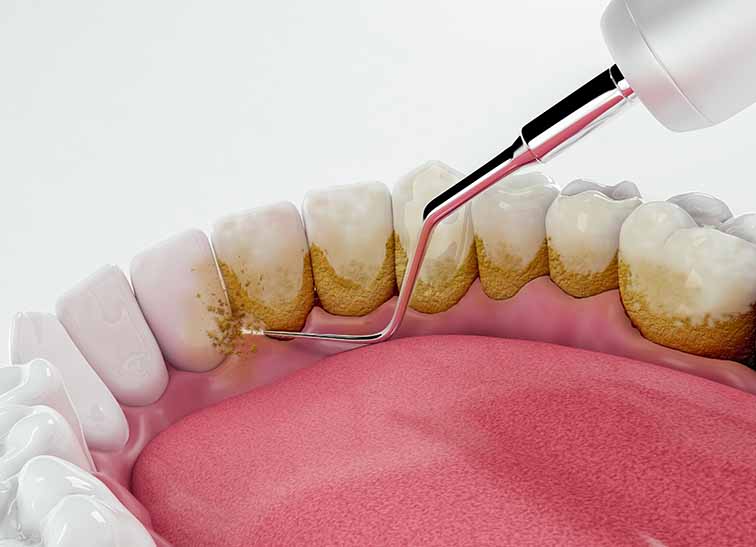
Treatments in Periodontology

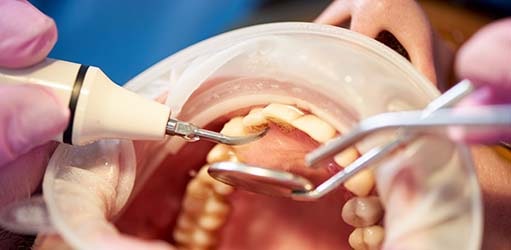
Scaling and Root Planing
This is a non-surgical procedure that removes plaque and calculus from the surfaces of dental roots. The roots are also smoothed to prevent bacteria buildup in the future.
Gum Surgery
This procedure is performed when there are deep periodontal pockets that have not improved with other treatments. Surgery may include the removal of diseased tissue, sutures to stabilize new tissue insertions, and reduction of periodontal pockets.
Tissue Grafts
This treatment is used to correct gingival recession and improve dental aesthetics. Tissue is taken from one part of the body (usually the palate) and transplanted to the affected área."
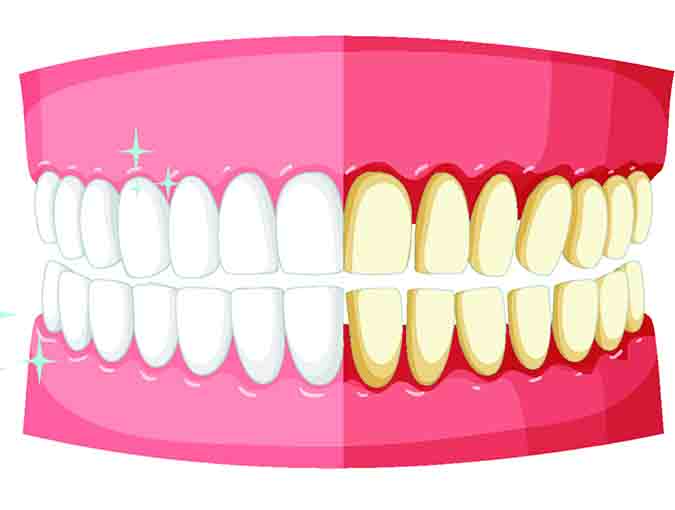
Advantages of Periodontal Treatment:
- Improved Oral Health:By removing bacteria, inflammation, and other issues, an overall improvement in oral health is achieved.
- Prevention of Tooth Loss:Periodontal treatments can prevent tooth loss by stopping the deterioration of the tissues and bones that support them.
- Infection Control:Periodontal diseases can affect overall health. Treating them properly helps control the spread of infection.