
Dental Cleaning
It is an essential service to maintain your smile healthy and radiant. We use the best techniques to effectively remove plaque, tartar, and stains from your teeth, leaving them clean and fresh, and revealing a whiter and brighter smile.
How often should I get a dental cleaning?
The frequency at which you should undergo a dental cleaning may vary depending on your specific oral health needs. However, the general recommendation is to have a dental cleaning every 6 months. This allows oral health professionals to detect any signs of dental problems at an early stage, such as cavities or periodontal disease, and treat them promptly.
In cases where there is a predisposition to accumulate more tartar or plaque, or where there are special medical conditions such as diabetes or heart disease, your dentist may recommend more frequent cleanings.
It is crucial to follow your dentist's recommendations to maintain optimal oral health.
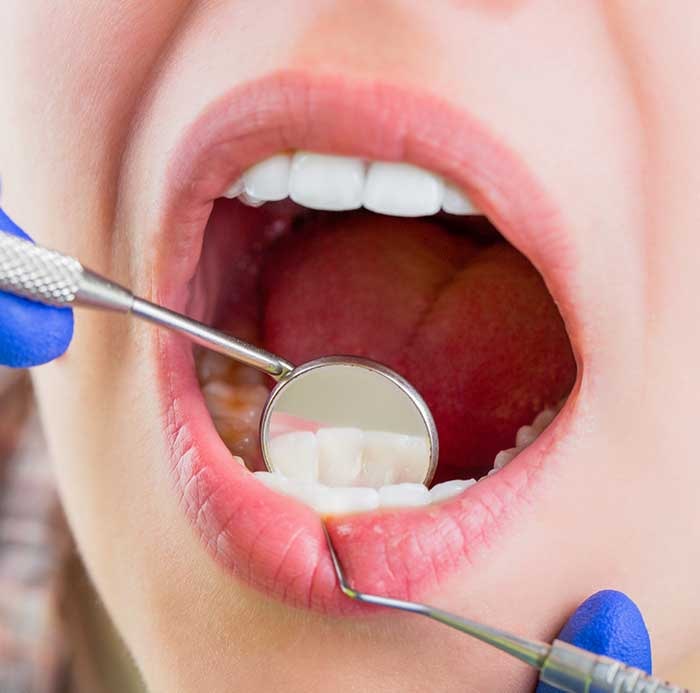
Is the procedure painful?
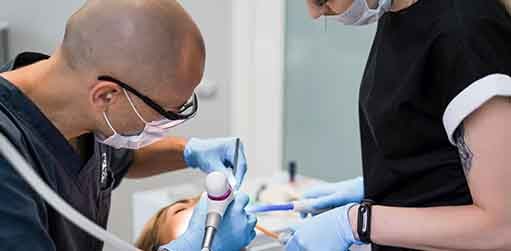

Dental cleaning is generally a non-invasive and painless procedure for most people. Local anesthesia is used to numb any sensitive areas if necessary. However, the level of discomfort can vary from person to person and also depends on the degree of plaque or tartar buildup.
If you have inflamed or sensitive gums, you may experience some discomfort during the procedure. It is important to communicate any feelings of pain or discomfort to the dentist or dental hygienist so they can adjust their technique or provide additional relief if needed.
After the cleaning, it is common to feel the gums slightly sensitive for a couple of days, but this should quickly go away.

"5 Reasons to Get an Annual Dental Cleaning
Cavity Prevention: Professional dental cleanings remove the buildup of plaque, which is the primary cause of cavities. Plaque is a sticky film of bacteria that accumulates on your teeth and, if not removed, can lead to cavity formation.
Gum Health: Dental cleaning helps prevent or treat periodontal disease, a gum infection that can lead to tooth loss if not properly treated. Removing tartar and plaque at an early stage prevents gum inflammation and bleeding.
Early Problem Detection: Dental cleanings provide dentists with the opportunity to detect problems such as cavities, gum diseases, and other oral issues in their early stages. This allows for timely intervention and can prevent more extensive and costly treatments in the future.
Dental Aesthetics: Professional dental cleaning not only improves the health of your teeth and gums but also has a positive impact on the appearance of your smile. It removes stains and tartar, resulting in whiter teeth and a brighter smile.
Improves General Health: Oral health is linked to overall health. Poor oral health can be associated with a range of health issues, such as heart disease and diabetes. Regular dental cleanings can help improve not only oral health but also overall well-being.